Senior Vision Care
Affordable vision care for older adults
For adults over age 60, keeping up with regular eye exams is very important – especially for patients with existing health or eye conditions.
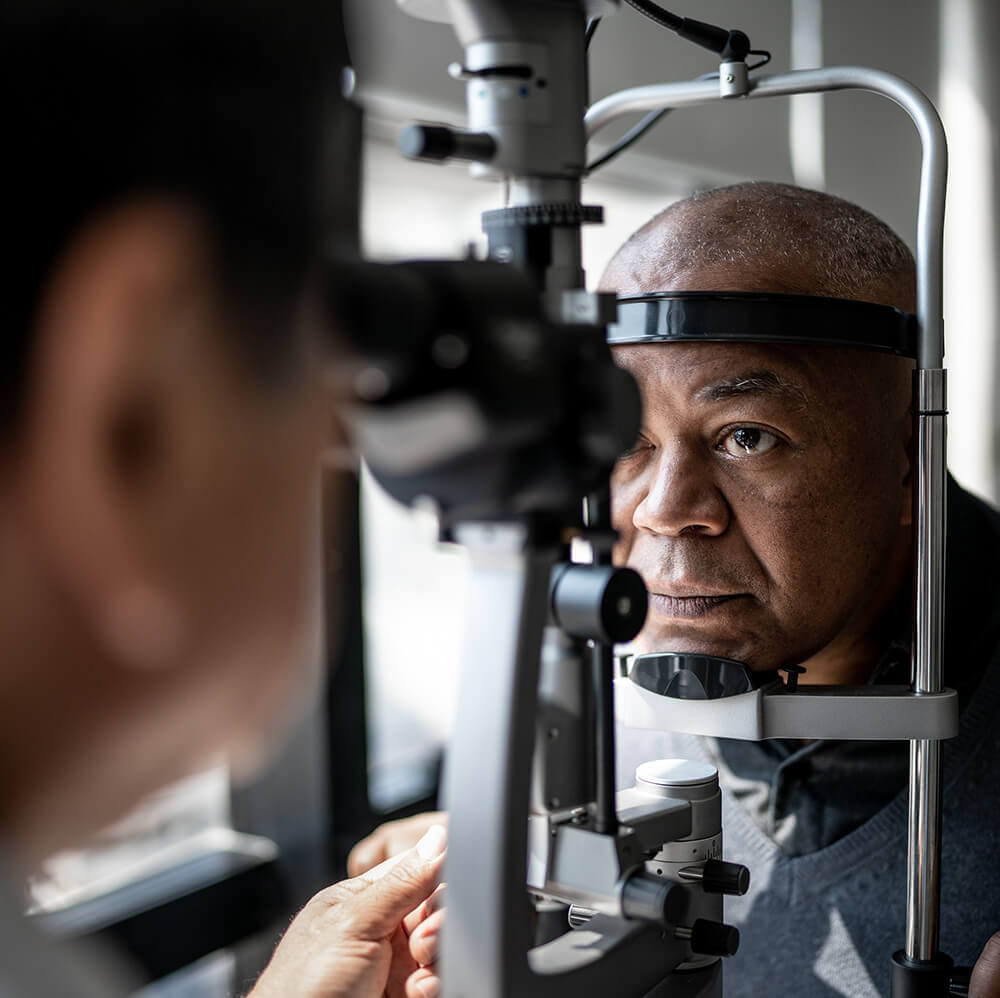
Comprehensive eye exams for seniors are performed by an optometrist (not a technician) at all Wisconsin Vision locations.
Request an appointment online or call one of our stores to book your exam.

How the eyes and vision are affected by age
It’s common to experience different eye conditions and diseases as you age. Fortunately, if treated early enough, many of them can be prevented/corrected. Schedule an eye exam with a doctor of optometry to learn more about managing your risk for age-related eye conditions.
Common age-related vision problems and eye diseases:
 Presbyopia
As you age, Presbyopia becomes increasingly prevalent due to the gradual loss of elasticity in your eye’s lens. This leads to difficulty in focusing on nearby objects.
 Dry eye
Insufficient tear production can result in Dry eye, which causes discomfort and blurry vision due to an inadequate tear film. Dry eye symptoms are prevalent in the majority of individuals aged 65 and above.
 Dimmed vision
As one ages, experiencing dimmed vision is a typical change. Activities such as reading or close-up work may require brighter lighting than before to perform comfortably.
 Age-related macular degeneration
The primary cause of vision loss in adults aged 50 and above is Age-related macular degeneration (AMD). The initial symptom is a blurred central vision. Those with a family history of AMD, Caucasians, smokers, and individuals over 60 have the highest risk of developing this condition.
 Glaucoma
The optic nerve that links the eye to the brain is impaired by Glaucoma, resulting in blind spots in the visual field as the nerve deteriorates. Glaucoma typically progresses gradually without any early warning signs or symptoms. Unfortunately, vision loss caused by Glaucoma is permanent and untreated Glaucoma can lead to complete blindness.
 Cataracts
Cataracts occur due to the accumulation of proteins in the lens, in addition to UV exposure and the natural aging process, resulting in cloudy areas. Cataracts are prevalent among older adults, and symptoms include blurred vision, reduced or heightened sensitivity to light and color, double vision, and poor night vision. Cataracts progress gradually, but they can be corrected.
 Diabetic retinopathy
When the blood vessels in the retina become damaged, it can cause Diabetic Retinopathy, which may result in vision issues and, in severe cases, blindness. The risk of developing diabetic retinopathy rises with the duration of diabetes. Consistent diabetic eye care is crucial for people with Type 1 or Type 2 Diabetes, regardless of age.

How often should seniors have their eyes checked?
The American Optometric Association (AOA) recommends all adults ages 60+ have a comprehensive (dilated) eye exam once a year.
You should also notify your eye doctor right away if you experience eye discomfort or any changes in your vision.
Routine eye exams can catch small eye problems before they turn into bigger (or permanent) ones. Eye exams and Optomap® retinal imaging can also identify other health issues like high blood pressure, high blood cholesterol, and diabetes. It’s especially important for older adults with diabetes to keep up with diabetic eye care.
How your optometrist can help
Many eye diseases have subtle or no symptoms in the early stages. By the time you notice vision changes and see an optometrist, the disease could be at an advanced stage.
The earlier eye problems are diagnosed and treated, the better your chances of protecting your vision. Even if you haven’t noticed any new symptoms or difficulty seeing, it’s important to keep up with routine eye exams to screen for age-related eye conditions.
How much does an eye exam cost for seniors?
For seniors with vision insurance, it’s likely your plan covers all or most of the cost of a yearly eye exam. Our eye doctors accept most vision plans, and we’re happy to do a free benefits check and explain what’s covered. We also take CareCredit for eye exams (among other products and services).
Without insurance, patients can recieve comprehansive eye exams at all Wisconsin Vision locations (terms and conditions apply to promotional eye exam pricing).
Does Medicare cover senior eye exams?
Medicare only covers eye exams for certain patients. If you meet the criteria for diabetes, glaucoma or AMD, you may be able to use your Medicare Part B benefits for an eye exam. Call one of our eye care centers for help.
Wisconsin Vision’s Offers
We also offer quarterly deals and discounts on eyewear, including glasses, frames, lenses, and more. Check out our current promotions or contact your Wisconsin Vision (sometimes we have special in-store offers as well). Terms and conditions apply.
Treatment & referrals
An optometrist who works in vision care for seniors can:
- Diagnose and treat glaucoma with prescribed medication
- Order lab tests for diagnosis or treatment of eye disease
- Prescribe glasses or contact lenses
- Provide vision therapy
If you are diagnosed with a serious/advanced eye disease, an optometrist will refer you to a specialist (ophthalmologist) depending on the needed treatment..
Low-vision devices
Your optometrist may recommend low-vision treatment options to help you with your vision impairment. These devices and products include:
- Magnifiers (hand-held, wearable, or stand)
- Miniature telescopes
- Text-to-speech readers
- Video magnifiers that enlarge, brighten, or increase the contrast in video displays
Your optometrist can give you options for a variety of adaptive technologies and products capable of helping seniors maintain independence with vision loss.
You may also be referred to low-vision rehabilitation services. These specialized low-vision professionals work with older adults to maintain or improve quality of life with impaired vision.